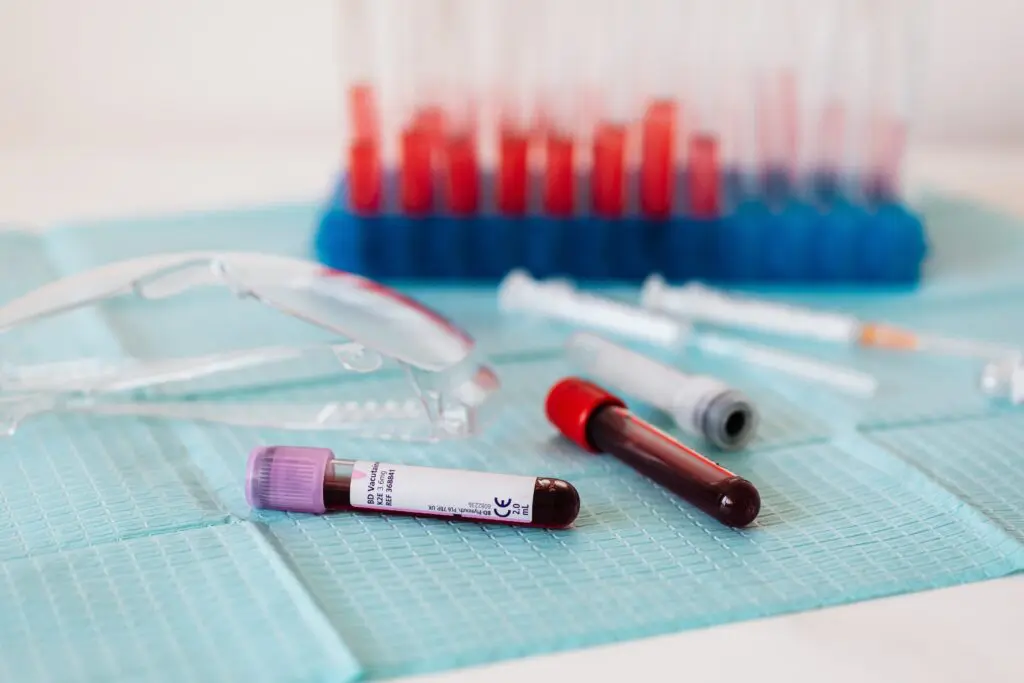
Blood test results normal but still feeling tired?
Have you ever gone to your GP because you are feeling tired, been told you need blood tests only for the results to come back as satisfactory?
This is something I hear a lot from clients, and I’ve also experienced it myself.
You go from feeling hopeful that you’re going to get an explanation for your fatigue, to a feeling of despair that there is nothing that can be done to help.
Well think again. Satisfactory blood test results do not necessarily mean that everything is fine and often there is something there that we can work with.
So why have my results come back as satisfactory?
If you’ve seen the blood tests you get back from your GP, you’ll see that you get your result and then you get a reference range, that a ‘normal’ result falls into. These ranges are basically set to look at when something is so out of range that it needs medication or more in-depth testing to explore what is wrong. Often as long as your result is not at the level at which it needs medication, you will be told it is ‘satisfactory’.
But satisfactory is not the same as optimal. These reference ranges are quite large, so if you are at the lower or upper end of the normal range, things are often not what I would call optimal for good health, and you can be experiencing symptoms like fatigue. As a nutritional therapist I’m looking to pick these things up before they get out of range and need medication, so I look at things in a different way to a GP.
What happened to me
This exact thing happened to me. I was feeling incredibly tired, so had some blood tests to check for anaemia, as I’d had it before. My results came back as ‘satisfactory’, but I was sure something was wrong as the symptoms were exactly the same as before. So, I asked for a copy of my blood test results. My ferritin levels (your iron stores) were 12. If they are below 10 you are classed as anaemic, but because mine were just over that and in the normal range, I was told everything was fine. A ferritin level of 12 is not fine! I felt awful, but because this was low iron rather than anaemia, it didn’t get flagged. The normal range for ferritin in huge and ranges from 10 to 120, so you really need to know where you should be sitting in that range – I should have been at around 80.
This happens a lot
Sadly, this is something I see regularly when working with clients and looking at their blood test results. Low ferritin is a common one for people with heavy periods or conditions like endometriosis and adenomyosis. I also see a lot of below optimal vitamin D and thyroid levels. These are things that we can easily improve with diet and supplement support to help support your energy levels again.
So, what can I do about it?
Always ask for a copy of your blood test results. Depending on your GP practice you may be able to access them online or get a paper copy.
Then check what things have actually been tested as I often find people have been told their results are satisfactory but haven’t been told what has been tested. If something like vitamin D levels haven’t been tested, then you haven’t’ got the full picture in terms of what might be causing the fatigue.
Finally check where you sit in the ranges for each thing tested. If you are sitting around the middle things are probably ok, but if you are sitting in the low or high end of the range, you may need some additional support to feel better.
Need some help?
All my nutrition programmes include advice on what to ask your GP for in terms of blood tests and interpretation of any recent blood test results. If your GP isn’t willing to do blood tests, I can also advise you on private testing companies you can use.
So, if you’re struggling with fatigue or things don’t feel right and you want some answers, then book in for a free hormone health review and we can chat through how a nutrition programme could support you.
Content Disclaimer
The information contained above is provided for information purposes only. The contents of this blog are not intended to amount to advice and you should not rely on any of the contents of this blog. Professional advice should be obtained before taking or refraining from taking any action as a result of the contents of this blog. Emma Belton Nutrition disclaims all liability and responsibility arising from any reliance placed on any of the contents of this blog.