How to reduce endo belly
I know how uncomfortable and frustrating it can be living with endo belly. It’s something I used to live with every day, but over time I gradually got rid of it.
There are no quick, magic answers, it’s a case of working out what your individual causes of endo belly are (see my last blog for ideas on this), and then putting steps in place to manage and reduce them. For me it was a combination of working on gut health, reducing inflammation levels, managing stress, getting more movement into my day and working out which foods made my symptoms worse.
If you’re not yet ready for one to one support, here are my top tips for managing endo belly:
- Manage stress levels
The more stress you experience, the more this can have a negative effect on your digestion. That’s because stress reduces the stomach acid and digestive enzymes needed to break down food. Without these, food can ferment in the stomach, leading to gas and bloating. So, managing stress can help reduce endo belly. Try a few rounds of deep breathing before you eat as a starting point.
2. Eat slowly and chew food well
It sounds basic, but how often do we eat food as quickly as possible to rush onto the next task? Taking your time to chew food well so it is really broken down in the mouth, means there is less work for the digestive system to do, and so less potential for bloating.
3. Use herbal teas
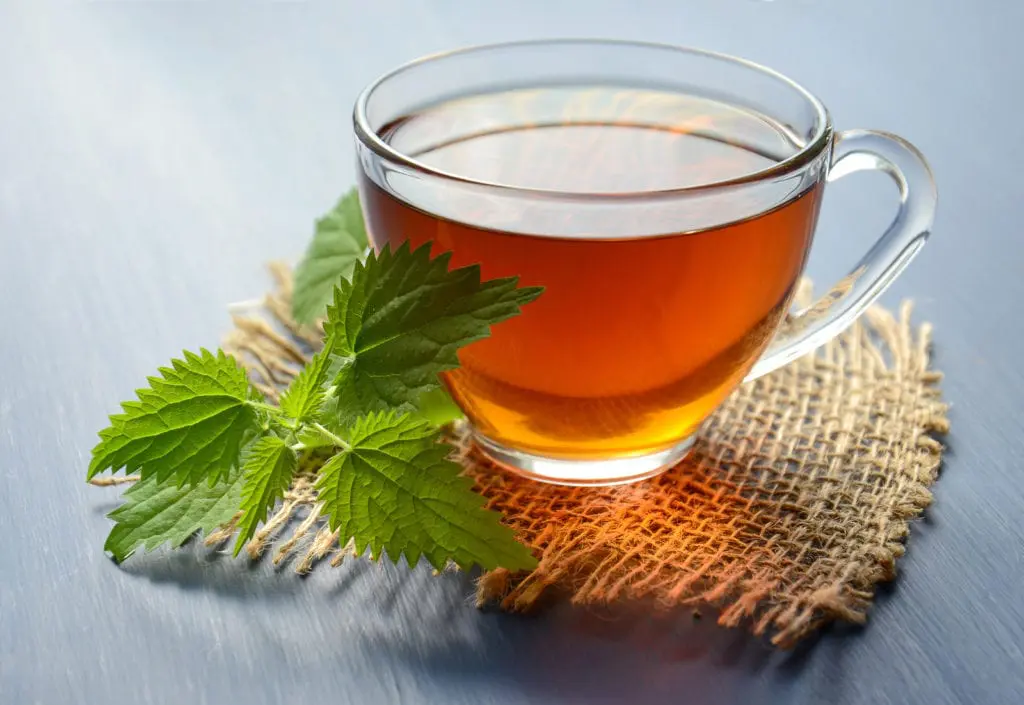
Herbal teas can really help with digestion and bloating. Peppermint tea is great for lower abdominal bloating. Ginger helps move things through the digestive tract and is also anti-inflammatory, which is helpful as sometimes the bloating is a result of the level of inflammation in the pelvis.
4. Increase anti-inflammatory foods
Endometriosis tends to cause a lot of inflammation in the pelvis. And this inflammation can upset the digestive system, adding to the bloating problem. So getting the inflammation down can help with the bloating. Fruits and vegetables are full of anti-inflammatory compounds. Just go slowly with increasing the amount of fruit and vegetables that you eat, so that it doesn’t increase bloating.
5. Add some good bacteria to your gut
Often it is the bad bacteria that contribute to bloating and there’s been plenty of research in recent years showing that people with endometriosis tend to have more of the bad bacteria. Slowly adding some good bacteria into the gut, can help with reducing bloating. Foods like live yoghurt, kefir and sauerkraut can help add good bacteria. However, introduce them slowly so that your gut doesn’t react to suddenly being flooded with lots of good bacteria – guts need time to adjust!
6. Build some movement into your day
Getting some movement, even a gentle stroll or some stretches can help to move things through the gut and reduce bloating and constipation.
This stuff doesn’t happen overnight, but it is possible to reduce and manage the symptoms with the help of diet, supplements and lifestyle changes. If you want to know more about how this approach could help you too, book in for a free chat.
Content Disclaimer
The information contained above is provided for information purposes only. The contents of this blog are not intended to amount to advice and you should not rely on any of the contents of this blog. Professional advice should be obtained before taking or refraining from taking any action as a result of the contents of this blog. Emma Belton Nutrition disclaims all liability and responsibility arising from any reliance placed on any of the contents of this blog.