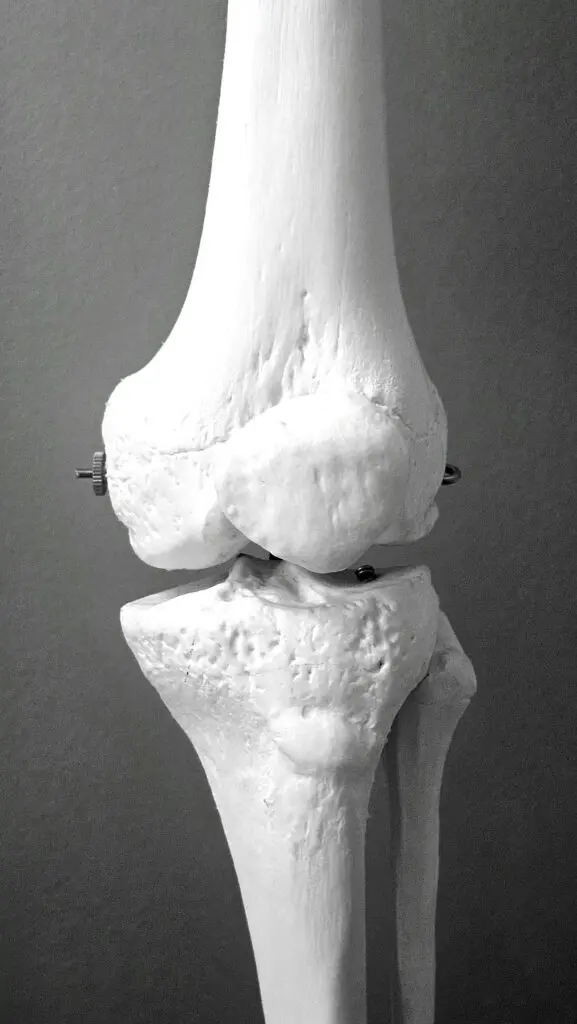
How to protect your bone health
We tend to think of bone health as something to worry about when you reach menopause, as oestrogen levels start to drop, and the risk of low bone mineral density increases and conditions like osteoporosis can become more prevalent. We actually reach our peak bone mass at around age 30. Bone mass than plateaus for around ten years before starting to decrease. So, what we do to protect our bone health in our twenties and thirties really can make a difference to our future bone health.
A range of different nutrients are needed for bone health, but some of the key ones are listed below.
Calcium – this is the nutrient we tend to associate with bone health and is a critical component of bones. Dairy produce is one of the main suppliers of calcium in the diet, but it is also found in green leafy vegetables, tinned fish with bones in such as salmon, almonds, sesame seeds and figs.
Vitamin D is needed to help the body absorb calcium. It can also reduce the risk of fractures occurring. The main source of vitamin D is gained through the action of sunlight on the skin – something that can be hard to get hold of in the winter. It is also found in oily fish, liver and egg yolks, but it is worth getting your vitamin D levels checked to see if you would benefit from taking a supplement in winter (see blog on vitamin D).
Magnesium is also found in our bones as well as being needed as a co-factor for vitamin D to work. Good sources of magnesium are green leafy vegetables, wholegrains, nuts and seeds and pulses.
Vitamin K – we don’t hear much about vitamin K, but this nutrient is needed to move calcium from our blood stream into the bones. It is found in green leafy vegetables and egg yolks. A word of caution if you take the blood thinning medication warfarin – avoid suddenly adding lots of vitamin K rich foods to your diet as this can interfere with your medication.
Watch what your drink – we can take lots of nutrients to support bone health into our diet through food, but the types of drinks we have may reduce any positive impact. Caffeine can reduce the absorption of calcium, so it best reduced for anyone with bone health issues. Carbonated drinks can increase acidity which is also not good for bone health.
Whatever your age, there are steps you can take to support your bone health.
If you would like some help in putting together a bone health plan that includes diet, supplements and lifestyle advice, then book in for a Hormone Intensive appointment. Or if you just need some advice on the right supplements to take, then book in for a one off Supplement Review.
Content Disclaimer
The information contained above is provided for information purposes only. The contents of this blog are not intended to amount to advice and you should not rely on any of the contents of this blog. Professional advice should be obtained before taking or refraining from taking any action as a result of the contents of this blog. Emma Belton Nutrition disclaims all liability and responsibility arising from any reliance placed on any of the contents of this blog.