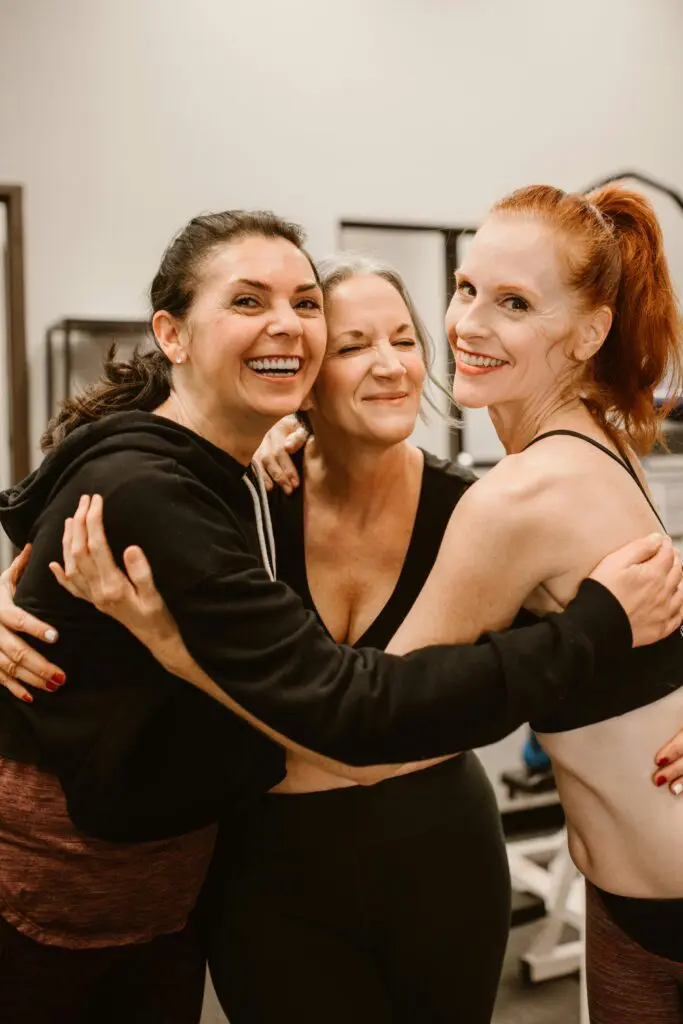
It’s never too soon to start preparing for perimenopause
You might be reading this in your 20s or 30s and thinking I don’t have to worry about perimenopause stuff until my 40s or 50s.
Although the average age of menopause in the UK is 51, the menopause (the point at which you haven’t had a period for 12 months) tends to range from age 45 to 55.
But the perimenopause, or the phase leading up to the menopause when hormones start fluctuating can start up to 10 years before your periods stop – so it could be anywhere from the mid 30s in some people. Hence early 30s are exactly the right time to start preparing your body for perimenopause.
And if that sounds a bit crazy, then remember that some of the things you can do to help your body prepare for perimenopause and have an easier transition through the hormone swings that take place, will also help your overall hormone health and have an impact on issues like PMS and period pain too.
Why do I need to prepare my body for perimenopause?
The hormone swings that take place during perimenopause can put a strain on different systems in the body. They can have an impact on sleep, mood, weight, inflammation levels, brain health, bone health and so many different parts of the body. The more you can do to get these systems into a good stable place before perimenopause, the less likely you are to get more severe perimenopause symptoms.
You may find that things you did in your 20s and 30s, like having late nights, not eating well, not managing stress, which didn’t seem to have an impact on your health, suddenly do when you reach your 40s.
Your 40s really are the time to look after yourself well or your body may start to struggle with perimenopause symptoms.
This is particularly the case if you have an existing hormonal condition like endometriosis, PCOS or fibroids, as you want to minimise the chance of the hormonal fluctuations of perimenopause making your existing condition worse.
My own experience
I was diagnosed with endometriosis in my late 20s. Once I started learning about the perimenopause in my mid to late 30s, I started doing things to try and get my body into a good place before perimenopause hit. I was already doing things to manage my endometriosis symptoms, so it didn’t take too much adapting to also incorporate things that helped prepare for perimenopause.
I’m now in perimenopause and conscious that the hormone fluctuations could have an impact on my endometriosis – which had been fairly in control in my 30s and early 40s. I’m not going to say it’s all been plain sailing as it hasn’t been. I’ve noticed a few changes, a few hormonal symptoms coming back and at one point my endometriosis started to make itself known to me again (those of you with endo will understand what I mean by this!).
But I look around at other people going through the same transition, and some younger than me that are having a really awful time with their symptoms and then I realise that things aren’t that bad.
Yes, I’m having to work a bit harder to stay on top of my symptoms than I had been. In my 30s I could get away with a few late nights, being really busy, not managing my stress levels, not always sticking to a healthy diet and now I really notice it if I don’t do these things. I don’t get a bad endo flare-ups or loads of perimenopause symptoms, but I notice that my body feels better, and I have more energy when I stick to doing the good things.
It’s not too late to start preparing
If you are reading this in your 40s, and thinking I haven’t prepared, so I’m going to have a rough time, don’t worry. It’s never too late to start changing things and there are always things you can do to help manage your symptoms.
My next blog will give you my top tips for managing perimenopause.
And if you’d like some help in getting a personalised perimenopause plan in place, then book in for a free hormone health review to chat through which one of my nutrition programmes is right for you.
Content Disclaimer
The information contained above is provided for information purposes only. The contents of this blog are not intended to amount to advice and you should not rely on any of the contents of this blog. Professional advice should be obtained before taking or refraining from taking any action as a result of the contents of this blog. Emma Belton Nutrition disclaims all liability and responsibility arising from any reliance placed on any of the contents of this blog.